
Why Guilin should be on your list
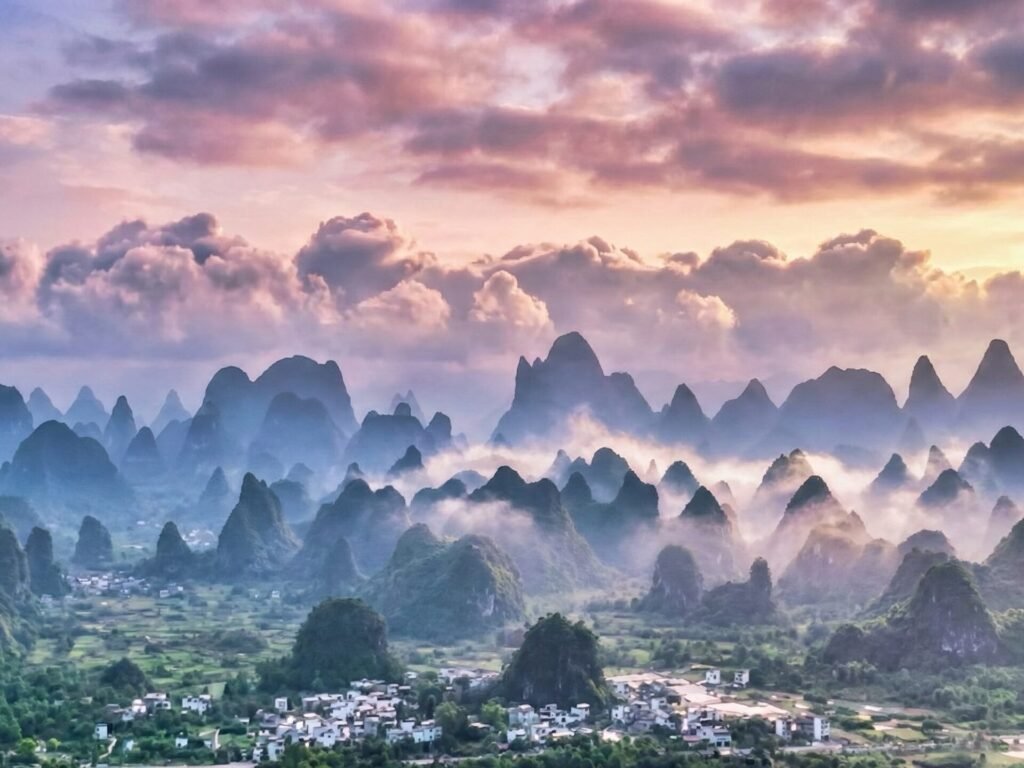
You may have seen the images on social media: dramatic karst peaks rising from the mist, bamboo rafts floating along the river, and small villages tucked between mountains and rice fields. This is Guilin, a city famous for its distinctive karst landscape and the winding Li River.
Guilin’s scenery has been celebrated in China for centuries, captured in the famous saying, “Guilin’s landscape is the best under heaven.” Today, the region remains one of China’s best-known destinations for international travelers.
Guilin has also recently found itself in the spotlight as the hometown of Chinese mathematician Wang Hong, a recent Fields Medal recipient. As she has described it, Guilin is a beautiful and relaxing place—an atmosphere that makes it easy to slow down and enjoy your surroundings.
Here, slowing down comes naturally: drift along the river on a bamboo raft, wander through rice fields and quiet villages, and let the mountains set the pace. Beyond enjoying the scenery, Guilin offers a chance to experience a unique side of China.
A Landscape You Won't Find Anywhere Else
Karst Mountains
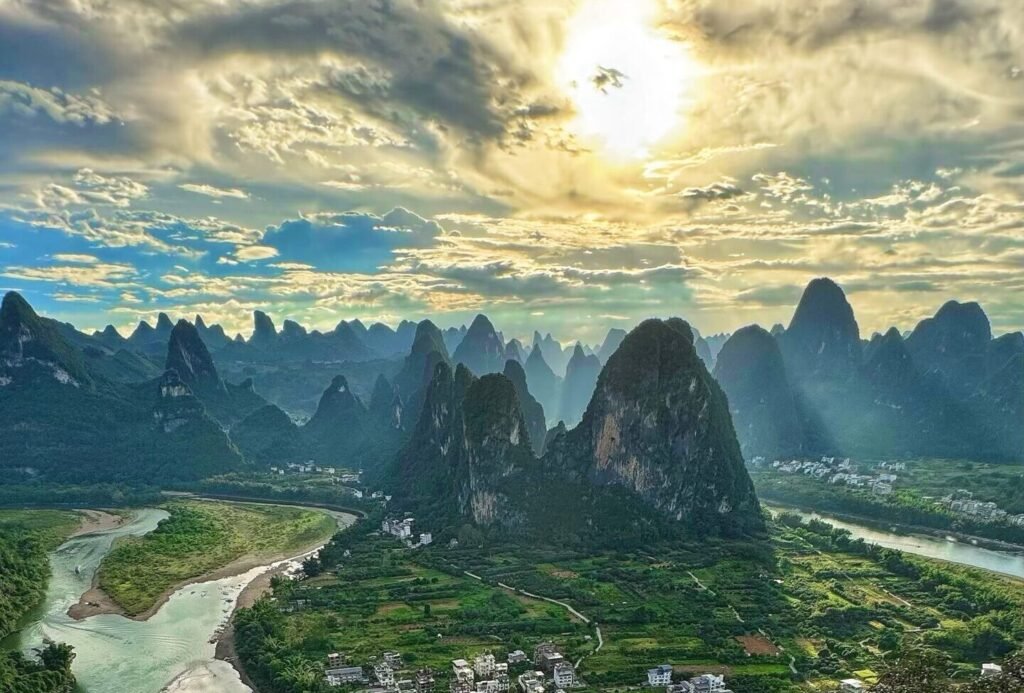
Guilin’s karst mountains are concentrated around Guilin and extend south toward Yangshuo, forming the landscape the region is best known for. These limestone peaks were shaped over millions of years by water erosion, creating unique formations, caves, and dramatic landscapes. Unlike continuous mountain ranges, Guilin’s peaks rise individually from the surrounding plains, rivers, and villages, creating the iconic scenery often seen in photos of the region.
You can find many unique rock formations across Guilin, such as Elephant Trunk Hill, one of the city’s most recognizable landmarks, whose shape resembles an elephant drinking from the river. The region is also famous for its karst caves, including Silver Cave (Yinzi Cave) near Yangshuo, where visitors can explore impressive underground chambers filled with stalactites and other limestone formations.
For the best views, early morning and late afternoon are ideal, especially when mist hangs between the peaks. The early hours are usually quieter, making them a great choice for travelers who prefer a more peaceful experience away from the crowds. Visitors can also experience the landscape up close by walking along mountain trails or cycling through villages surrounded by karst peaks.
The Li River
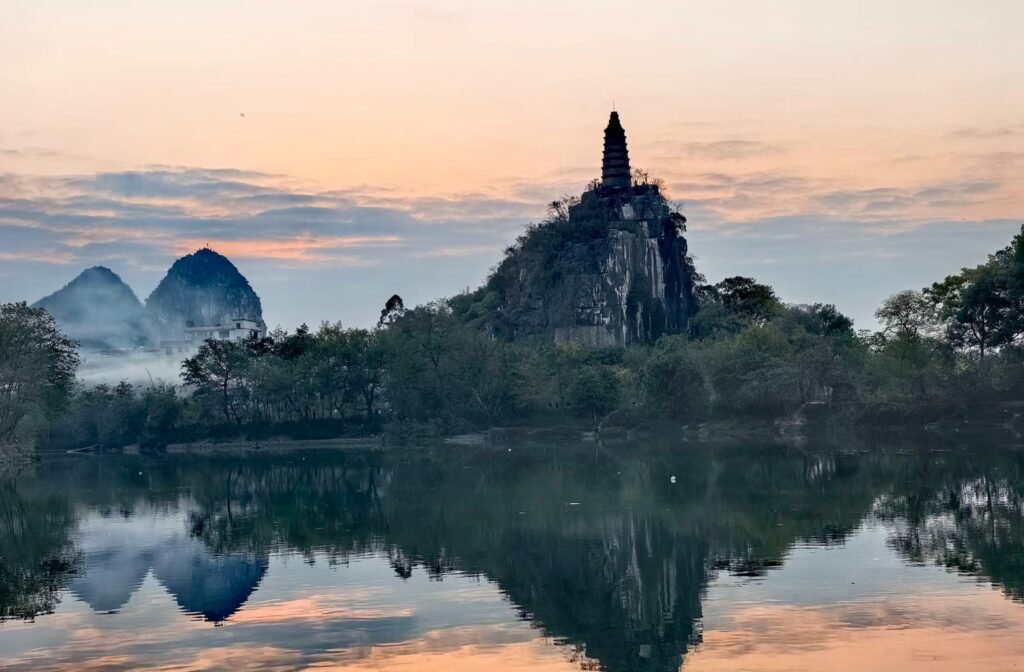
The Li River is one of the defining features of Guilin, flowing from north to south through Guilin and Yangshuo.Along its banks are some of the region’s most famous landscapes, with karst peaks, bamboo groves, farmland and riverside villages creating a constantly changing scene.
On clear days, the scenery is crisp and vivid, with emerald-green waters sparkling under the sunlight. On rainy days, mist wraps around the peaks, creating a mysterious and otherworldly atmosphere.However, the river can become muddy after periods of heavy rainfall, which are more common during the rainy season in May and June.For clearer water and generally pleasant conditions, March to April and September to October are often good times to visit.The classic way to experience the Li River is by boat, whether on a Li River cruise or a bamboo raft. From the water, you can appreciate how the Li River and the karst mountains along its banks come together to create a landscape that feels like a painting in motion.
Experience the Iconic Li River Landscape
Li River Cruise
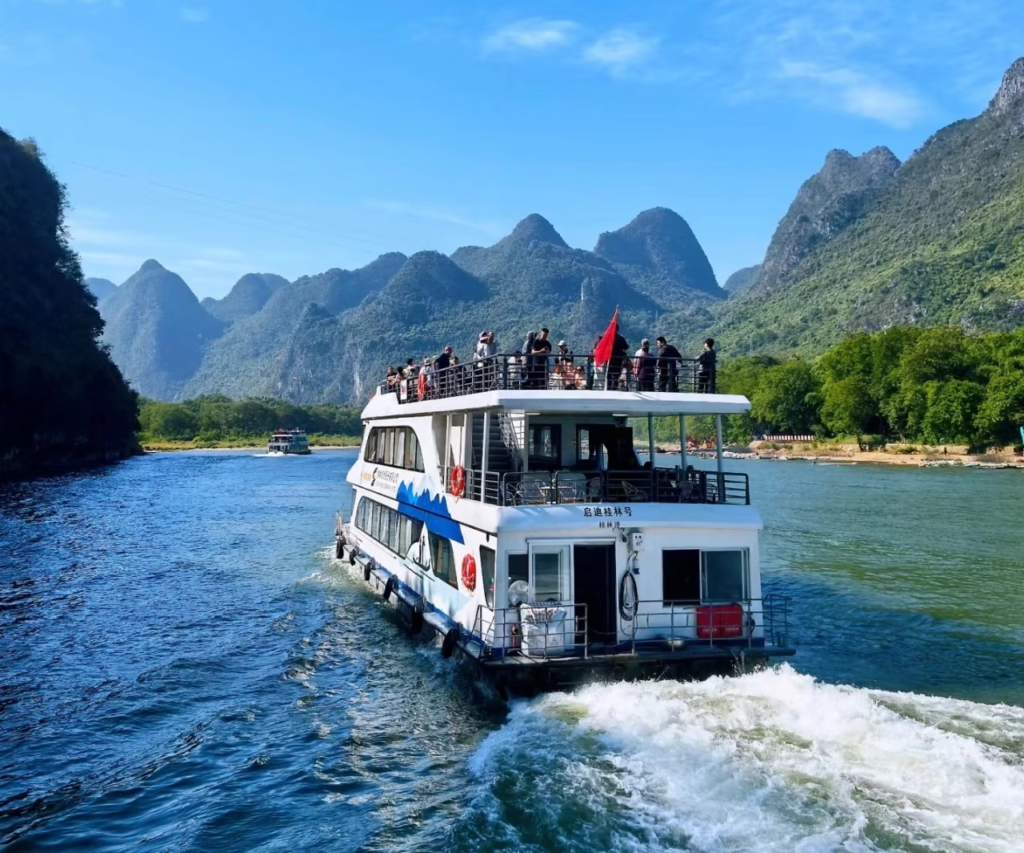
A Li River cruise is a must-do experience in Guilin, offering a relaxing way to explore the river and the scenic spots along its banks.There are two main route options. The full route, which takes around four hours, runs from Guilin to Yangshuo and is a convenient choice if Yangshuo is your next stop. The short scenic route, lasting around 1.5 hours, runs from Yangdi to Xingping and focuses on some of the most iconic sections of the river, including Nine Horses Fresco Hill and the Reflection of Yellow Cloth Shoal.
If you have enough time and are heading to Yangshuo, the full route is generally the more convenient option. If you’re short on time, the shorter route lets you experience the highlights of the Li River while leaving more time to explore Yangshuo.
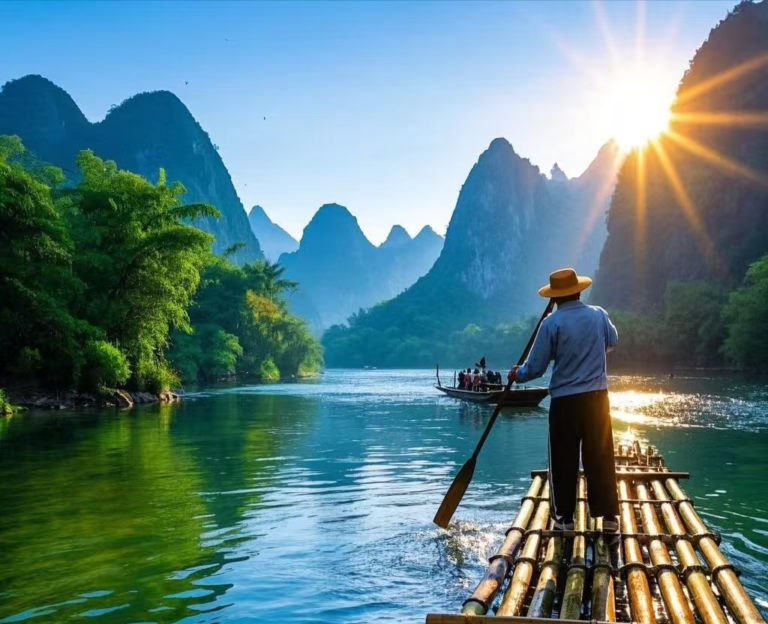
Bamboo Rafting
Besides taking a cruise, bamboo rafting is another great way to experience Guilin’s riverside scenery. Sitting closer to the water brings you closer to the surrounding landscape, creating a more immersive experience.
On the Li River, you can take motorized bamboo rafts that usually accommodate four passengers. However, for a more authentic and peaceful experience, I recommend the traditional bamboo rafts on the Yulong River.These rafts are manually operated and carry two passengers, moving slowly along the narrower river. The narrow river winds through rice fields and bamboo groves, with nothing blocking your view of the surrounding countryside.
Besides,There are also several small dams along the route, creating short bursts of excitement as the raft passes over them. During these sections, your feet may even touch the water.For travelers looking to escape the crowds and enjoy the simple pleasure of rural life, bamboo rafting on the Yulong River offers one of the best ways to slow down and reconnect with nature.For travelers looking to leave behind the noise and pace of city life, bamboo rafting on the Yulong River offers a chance to slow down and experience a simpler, more peaceful way of life surrounded by nature.
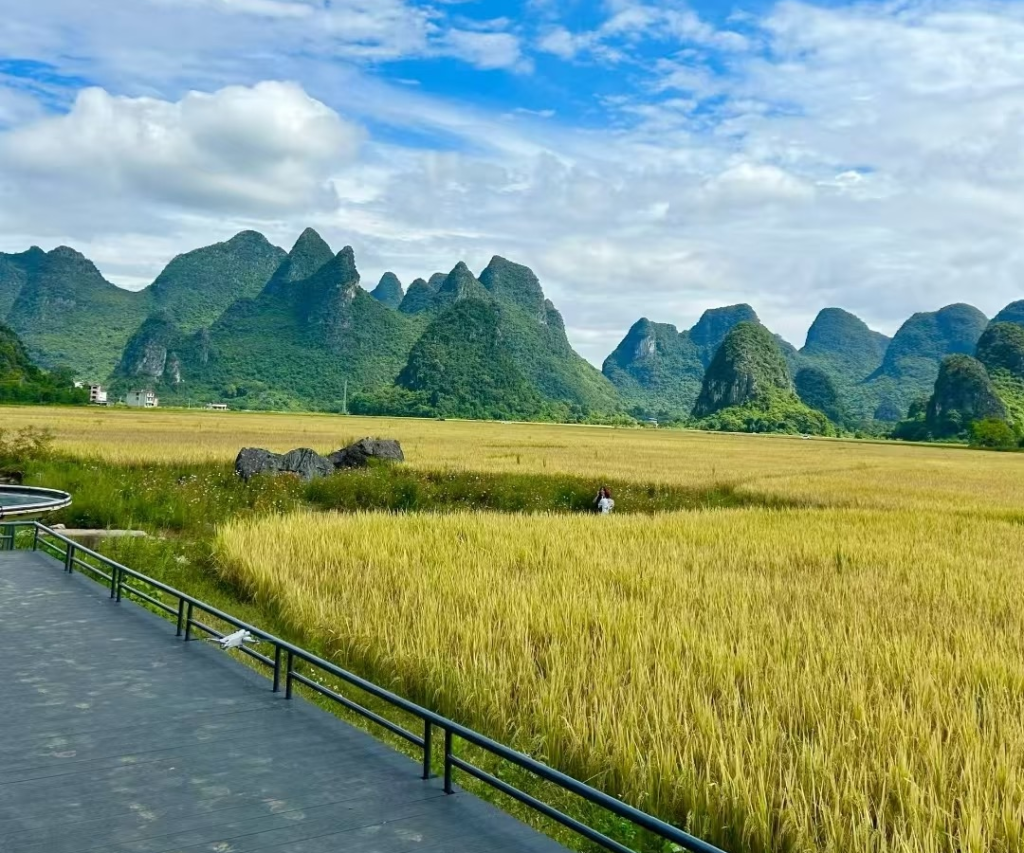
Cycling Through the yangshuo’s Countryside
Cycling is a great way to get around Yangshuo and explore the countryside at your own pace. Bike and e-bike rentals are widely available, and many of the roads around Yangshuo are suitable for cycling. For first-time visitors, however, the classic choice is the Ten-Mile Gallery, a scenic route surrounded by karst peaks and farmland.
As you cycle along the route, distant mountains rise beyond the nearby rice fields, creating a beautiful contrast between the landscape near and far. One of the best things about cycling is the freedom to stop whenever you find a view you like, explore a nearby spot, or take a break at one of the cafés along the way.
For a closer look at the rice fields and riverside countryside, take the smaller roads from Gongnong Bridge toward the Yulong River. These paths offer a quieter way to experience the rural landscape, with rice fields, waterways and villages along the way. It’s an especially good option for slow travelers who enjoy cycling and want to spend more time immersed in the scenery.
More Than Just Guilin City
Most visitors are drawn to Guilin by the dramatic landscapes of Yangshuo, but there is much more to explore beyond the karst peaks and bamboo rafts drifting along the Li River. For a first-time visit, Guilin’s main attractions can be broadly grouped into three areas: Guilin City, Yangshuo, and Longji. These areas are spread across the wider Guilin region rather than concentrated in one place, and each offers a different mix of landscapes, attractions, and local experiences. Here is what you can expect from each area.
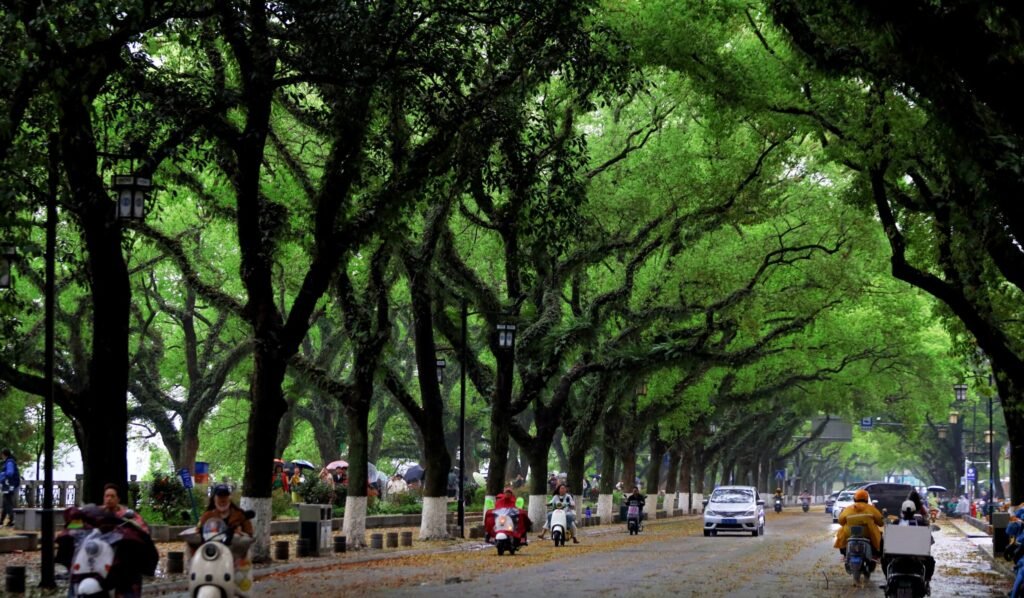
Guilin
Guilin City offers a different side of the region from the more resort-oriented Yangshuo. Here, you can experience everyday city life, with plenty of local restaurants serving authentic Guilin rice noodles and other specialties. Accommodation also tends to offer good value for money, without the higher prices that can come with staying in a major tourist area.
Most of Guilin’s main attractions are relatively close to the city center, making them easy to explore in a day to a day and a half. Elephant Trunk Hill, the Two Rivers and Four Lakes, and the Sun and Moon Pagodas are among the city’s best-known sights. With convenient transport connections, Guilin City is also a practical place to start or end your trip.
What makes Guilin City special is how easily sightseeing blends into everyday life. I recommend leaving some time simply to wander through the city’s leafy riverside streets. You might see locals chatting under the shade of trees, older residents dancing together in the squares, people taking a slow walk along the water. Grab a bowl of Guilin rice noodles, try a bowl of cassava sweet soup, and take your time exploring the streets—this is where you can experience the unhurried, everyday side of Guilin.
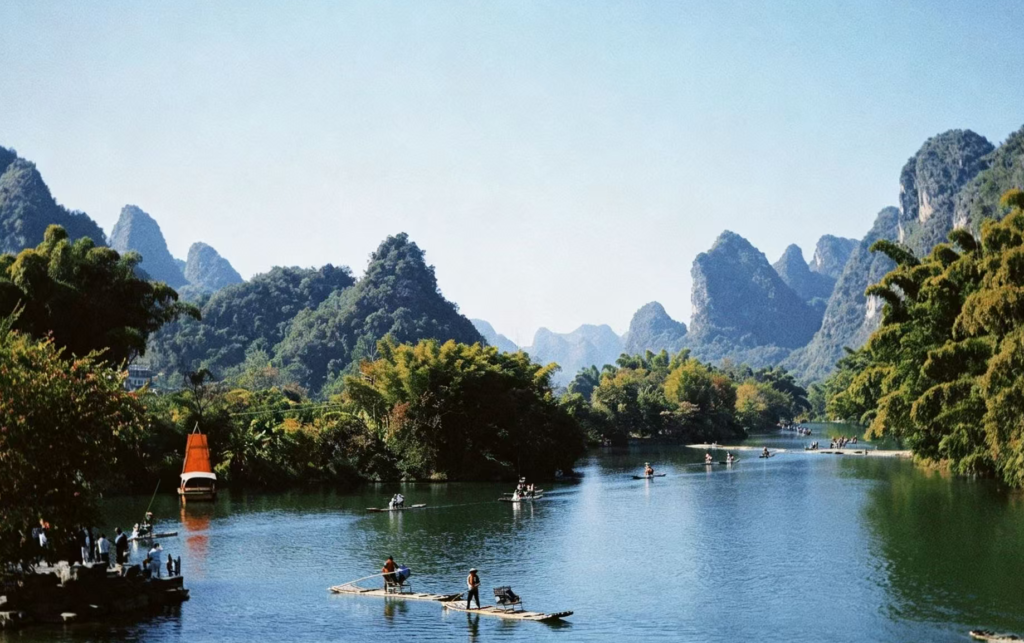
Yangshuo
Yangshuo is one of the places where Guilin’s iconic karst landscape is most concentrated, and for many travelers, it is the highlight of a trip to the region. Surrounded by dramatic peaks, rivers and countryside, Yangshuo is lively year-round.Most travelers spend around two to three days here, while those who prefer a slower pace can easily stay longer.
Activities here range from boat trips and bamboo rafting on the Li River and Yulong River to cycling through the countryside, hiking to mountain viewpoints, and cultural performances such as the famous Impression Liu Sanjie. For more adventurous travelers, there are also activities such as rock climbing and cave exploration. Some popular activities can fill up quickly, so it’s a good idea to book in advance, especially during holidays and peak travel periods.
West Street is the busiest and most convenient area to stay, with plenty of restaurants, shops and accommodation nearby. For a quieter experience, you can instead stay at a riverside guesthouse around the Yulong River, where the scenery is more peaceful and rural. The trade-off is that some areas can be quiet and poorly lit at night, with fewer restaurants and shops nearby. This option is better suited to travelers who prefer a slower pace or have their own transportation.
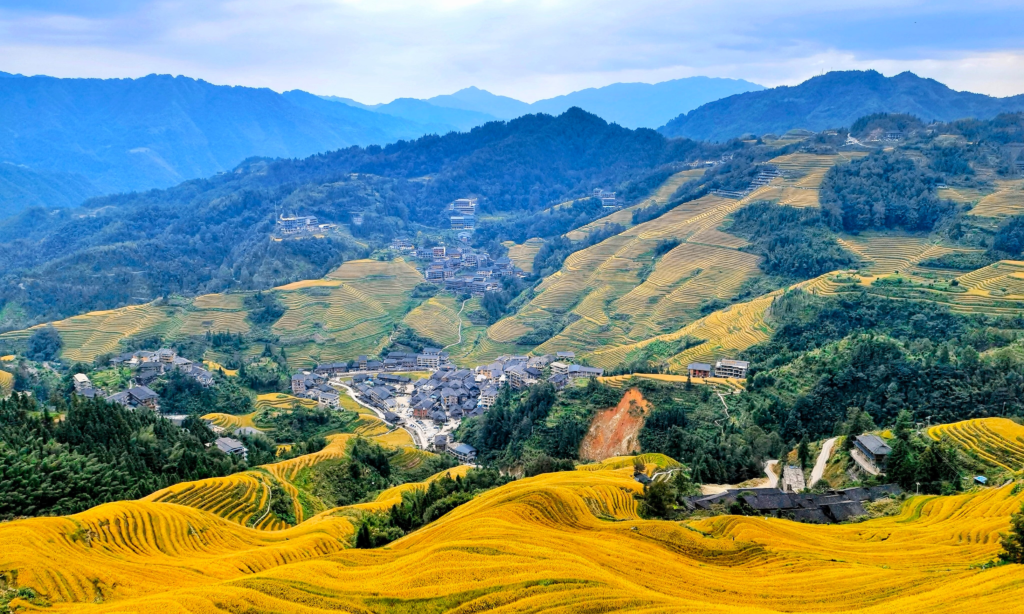
Longji Rice Terraces
Rice terraces are mountain slopes that have been carved into a series of level fields, allowing local farmers to grow rice on steep terrain where flat farmland is scarce. The Longji Rice Terraces began taking shape during the Yuan Dynasty and were developed over hundreds of years, transforming the mountainsides into an extensive agricultural landscape. Today, the terraces are still part of the traditional farming landscape and are home to Zhuang and Yao communities.
One of the most fascinating things about Longji is how dramatically the landscape changes with the farming seasons. In May and June, the newly flooded terraces become layers of mirrors, reflecting the sky and surrounding mountains. In July and August, the growing rice turns the hills a vivid green, while in September and October, the mature rice fields transform the mountains into waves of golden yellow. May to June and September to October are often considered among the best times to visit,
Longji is a large terrace area with several scenic sections, including Jinkeng Dazhai, Ping’an, and Guzhuang Village. You can hike between viewpoints and villages, watch the sunrise over the terraces, and explore traditional Zhuang and Yao architecture. The experience goes beyond the scenery: local guesthouses and farmhouses offer a chance to try regional dishes and cultural activities, while staying in the mountain villages gives you a closer look at rural life.
Experience Rural China at Your Own Pace
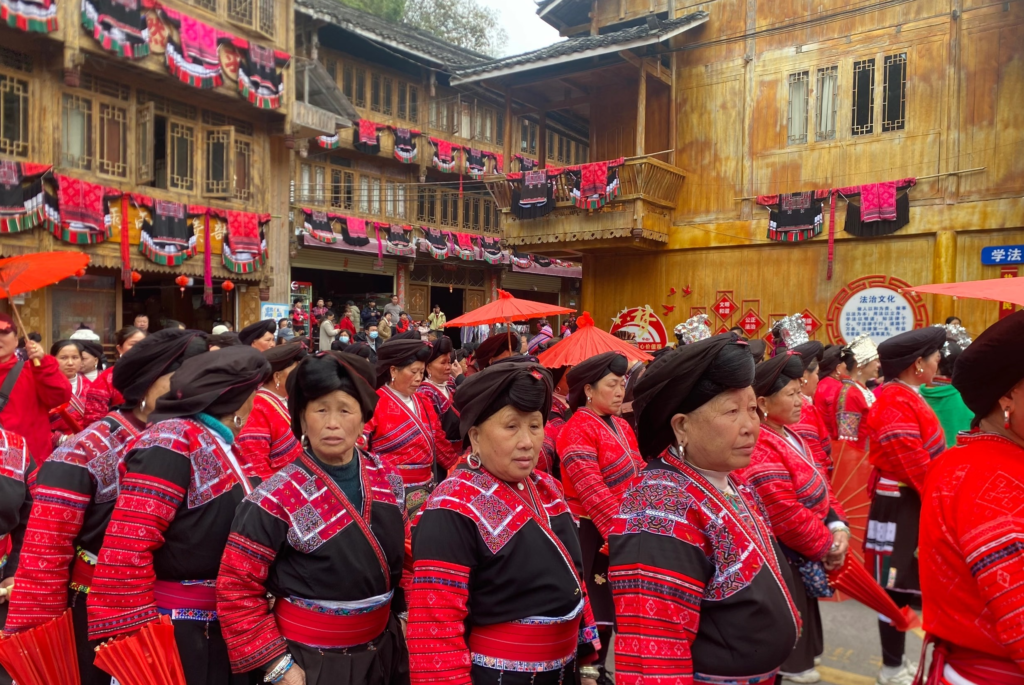
ethnic minority culture
Guilin is home to a diverse mix of ethnic communities, including the Zhuang, Yao, Miao and Dong, with many of these communities concentrated in Longsheng County in the northern part of the region. In the villages around Longsheng, you can explore traditional homes, observe everyday village life, and take part in local folk activities. Some villages also offer the chance to try on traditional ethnic clothing and accessories and take photos in the village setting.
The Zhuang are known for their traditional wooden stilt houses, built to adapt to the region’s humid climate and mountainous terrain. Raised above the ground, the houses improve ventilation and help keep the living space dry, while the lower level was traditionally used for livestock and storage. Zhuang culture is also closely associated with Gexu, traditional folk-song gatherings where people sing in call-and-response exchanges. During the Third Day of the Third Lunar Month, these gatherings become an important social occasion, where young people traditionally meet and get to know one another through song.
The Red Yao are particularly known for their distinctive clothing, with vivid red embroidery, intricate patterns, and elaborate silver ornaments. The patterns on their clothing often carry symbolic meanings related to local beliefs and identity. Huangluo Yao Village is also famous for its long-hair tradition, with women traditionally growing their hair to waist length or longer.
By walking through the villages, trying local activities, and meeting the people who still live there, you can experience the traditional ways of life of different ethnic communities in China.
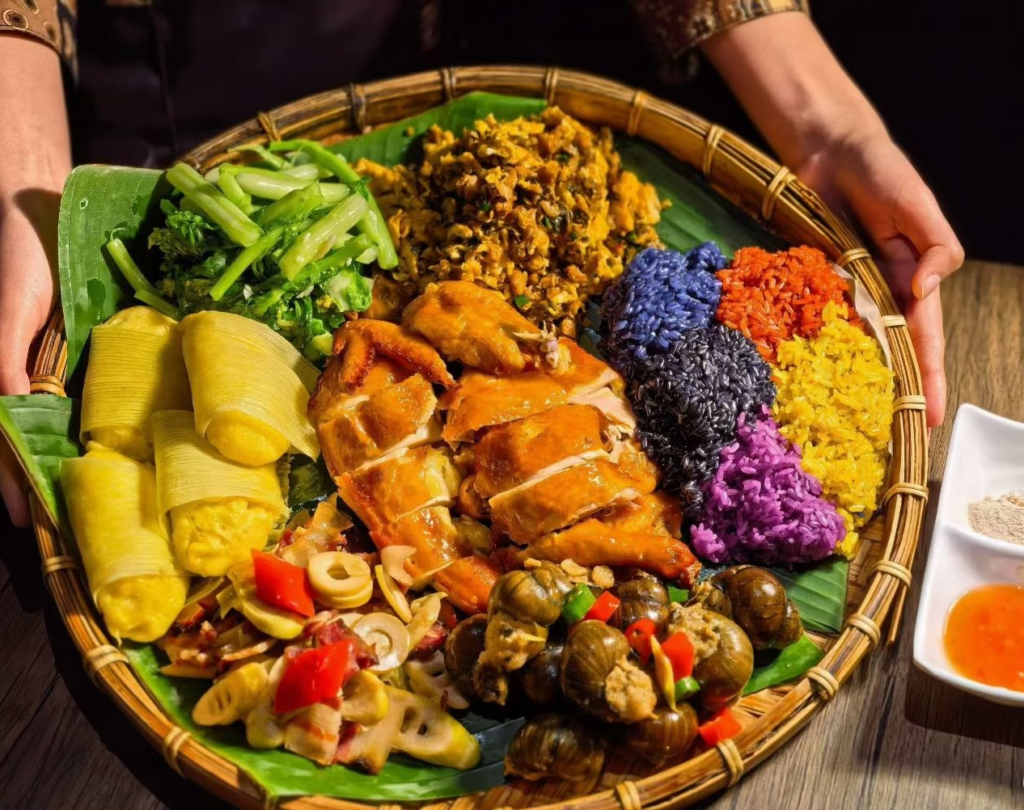
local food & handicraft
The food of Longsheng’s ethnic communities is just as distinctive as their traditions. Among the Zhuang, glutinous rice is an important part of the local diet, with specialties such as five-color glutinous rice and glutinous rice wine. The Yao have their own culinary traditions, including Yao oil tea, a savory tea-based dish traditionally prepared with tea leaves, ginger, and other ingredients. Another local specialty is Longsheng fish sashimi, traditionally associated with the Zhuang communities in the area and served with local sour water, fresh herbs, and aromatic seasonings for a distinctive tangy and savory flavor.
For souvenirs, Red Yao embroidery is particularly worth looking out for. Traditional embroidered patterns can now be found on smaller, practical items such as pouches, wallets, bags, keychains, and fridge magnets, making them easy to take home. If you would like a more hands-on experience, some local workshops also offer simple embroidery and textile activities, allowing you to make a small piece yourself while learning more about this traditional craft.
All in all, Guilin’s breathtaking landscapes alone make it worth a visit. Beyond the scenery, you can discover distinctive local food, outdoor adventures, peaceful village life, and traditional culture, making Guilin a rewarding destination for nature lovers, outdoor enthusiasts, slow travelers, and those simply looking for a relaxing getaway. For a more peaceful experience, consider visiting outside China’s major public holidays, when the region can get particularly busy.